A vlog or blog is a way to share ideas, stories, knowledge, and experiences with an audience. The main difference is simple: a blog mainly uses written content, while a vlog mainly uses videos. Both can help you teach others, share your interests, build an audience, and earn money online.
If you are learning about online content creation, you may wonder whether to start a blog or a vlog. You may also want to know how each one works, where people publish content, and which option is best for beginners.
In this guide, you will learn the meaning of a vlog and a blog, see real-life examples, understand their key differences, and discover the benefits and challenges of each. You will also learn how to choose the right option for your skills, interests, and goals.
What Is a Blog?
A blog is a website or part of a website where a person or business publishes written content about a topic. Blog posts may include explanations, guides, reviews, personal stories, opinions, tips, and helpful answers to common questions.
For example, someone who enjoys cooking might create a food blog. They could publish recipes, explain cooking methods, and share tips for preparing meals at home. A grammar teacher might create a blog to explain English words, spelling rules, and common language mistakes.
Blogs often include images, videos, links, and other useful features. However, written content is usually the main part of a traditional blog post.
Many blogs are updated regularly, but you do not need to publish every day. You can choose a schedule that fits your time and goals.
How Does a Blog Work?
A blog usually runs on a website where readers can find and read articles. You write a post, add helpful images, publish it, and share it with your audience.
Search engines such as Google may show your articles when people search for related information. This can bring visitors to your website without requiring you to promote every post directly.
For example, imagine you publish an article called “How to Write a Thank-You Message.” Someone searching for help with a thank-you message might find your article through Google.
If the article answers the reader’s question well, that visitor may explore other pages on your website.
A blog can also attract readers through social media, email newsletters, and links from other websites.
Examples of Blog Content
Blog content can cover almost any topic. Some common examples include:
- Education blogs: Explain school subjects, grammar, language, and learning methods.
- Food blogs: Share recipes, cooking instructions, and meal ideas.
- Travel blogs: Provide travel guides, destination tips, and trip stories.
- Lifestyle blogs: Discuss daily routines, hobbies, personal growth, and home life.
- Technology blogs: Explain apps, devices, software, and digital tools.
- Business blogs: Share advice about marketing, sales, customer service, and business growth.
A blog can focus on one subject or cover several related subjects. However, a clear topic often makes it easier for readers to understand what your website offers.
What Is a Vlog?
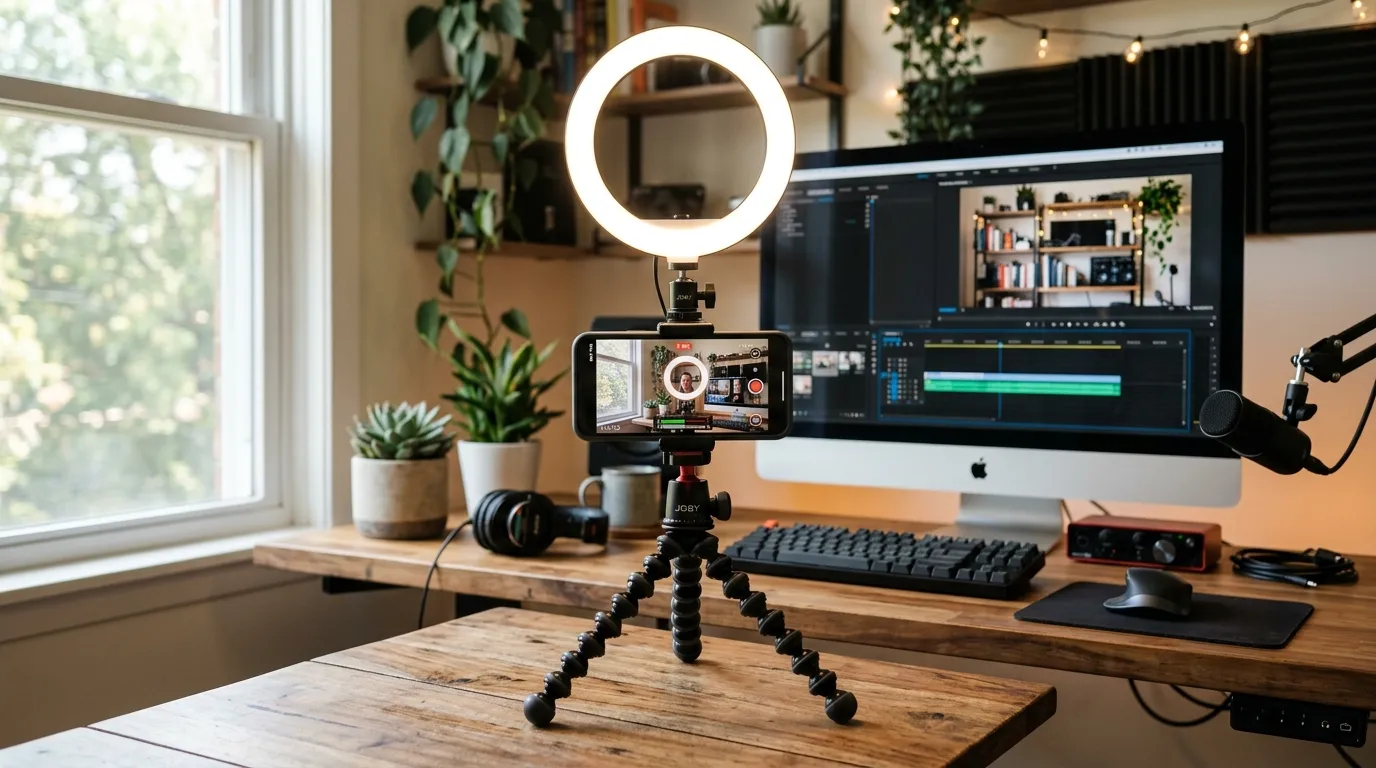
A vlog is a type of content that uses video as its main format. The word “vlog” comes from “video blog.” Instead of sharing information mainly through written articles, a vlogger communicates through recorded videos.
Vlogs can show a person’s daily life, explain a skill, review a product, document a trip, or teach an audience how to do something.
For example, a person who loves traveling might record a video about visiting a new city. They could show the streets, local food, famous places, and their personal experience.
A cooking vlogger might record the steps for making a meal. Viewers can watch the ingredients being prepared and see how the dish looks at each stage.
Vlogs may include spoken explanations, background music, captions, demonstrations, and video clips. Some creators appear on camera, while others use voiceovers, screen recordings, or footage of objects and activities.
How Does a Vlog Work?
To create a vlog, you usually plan a topic, record video clips, edit the footage, and publish the finished video on a suitable platform.
You can record videos using a smartphone, camera, webcam, or computer screen recorder. You do not always need expensive equipment to begin.
YouTube is a popular platform for vlogs. Creators also share video content through other video and social media platforms, depending on their audience and content style.
For example, a beginner might record a five-minute video explaining how to organize a study desk. After editing the video, they could publish it with a clear title, description, and thumbnail.
Viewers may discover the video through search, recommendations, or shared links. They can watch it, leave comments, and subscribe to the creator’s channel.
Examples of Vlog Content
Vlogs can take many forms, including:
- Daily life vlogs: Show routines, activities, and personal experiences.
- Travel vlogs: Record journeys, attractions, hotels, and local experiences.
- Educational vlogs: Teach skills, explain ideas, or demonstrate a process.
- Beauty vlogs: Share makeup tutorials, skincare routines, and product demonstrations.
- Gaming vlogs: Show gameplay, gaming tips, and personal reactions.
- Cooking vlogs: Demonstrate recipes and food preparation.
- Technology vlogs: Review devices, demonstrate software, and explain digital tools.
A vlog does not have to show your face. You can create videos using slides, screen recordings, demonstrations, animations, or voiceovers.
Vlog or Blog: What Is the Main Difference?
The main difference between a vlog and a blog is the format used to communicate with an audience. A blog mainly shares information through writing, while a vlog mainly shares information through video.
Both formats can educate, entertain, inform, and build a community. The right choice depends on your subject, skills, audience, and preferred way of creating content.
Here is a quick comparison.
| Feature | Blog | Vlog |
| Main format | Written articles | Videos |
| Common platforms | Websites and blogging platforms | YouTube and video platforms |
| Main skills | Writing, research, editing | Recording, speaking or voiceovers, video editing |
| Equipment | Computer and internet access | Phone or camera and editing tools |
| Audience experience | Reads at their own pace | Watches and listens |
| Search visibility | Can appear in search engine results | Can appear in video search and recommendations |
| Content updates | Edit and update written posts | Edit and republish videos when needed |
| Accessibility options | Text and descriptive images | Captions, transcripts, and audio descriptions when appropriate |
| Typical production tasks | Research, writing, proofreading | Planning, recording, editing |
| Potential income | Ads, affiliate links, products, services | Ads, sponsorships, affiliate links, products, services |
Neither format is automatically better. A well-researched blog can be more useful than a poorly made vlog, just as a clear and engaging video can explain something better than a long article.
The important question is which format helps your audience understand the topic most easily.
Vlog vs. Blog: Meaning and Examples in Everyday Life
The words “vlog” and “blog” sound similar, so it is easy to confuse them. Both describe ways to publish content online, but they refer to different primary formats.
Consider these examples.
Blog example: A writer publishes an article explaining the difference between “affect” and “effect.” The article includes definitions, example sentences, and common mistakes.
Vlog example: A teacher records a video explaining “affect” and “effect.” The teacher speaks to the camera, displays example sentences, and explains how to use each word.
Combined example: The teacher publishes the written explanation on a website and embeds the video in the article. Readers can learn by reading, watching, or using both formats.
The combined example is especially useful because people learn in different ways. Some prefer reading at their own pace, while others understand a topic more easily when they can watch a demonstration.
Here are a few more examples.
| Topic | Blog idea | Vlog idea |
| Cooking | A written recipe for homemade pizza | A video showing how to make pizza |
| Travel | A guide to visiting New York City | A recorded tour of New York City |
| Education | An article explaining English grammar | A video lesson about English grammar |
| Fitness | A written guide to beginner exercises | A video demonstrating beginner exercises |
| Technology | A comparison of two smartphones | A video showing both phones in use |
| Daily life | A written account of a personal experience | A video diary about that experience |
These examples show that the subject can stay the same while the format changes.
What Are the Benefits of Starting a Blog?

A blog can be a useful choice if you enjoy writing, researching, explaining ideas, or organizing information. It gives you a place to publish detailed content and build a collection of articles that readers can find over time.
One major benefit is that readers can scan an article quickly. They can jump to a heading, read a definition, compare examples, or return to a section whenever they need it.
Blogs Can Attract Search Traffic
Search engine optimization, or SEO, helps make website content easier for search engines and people to understand.
When you publish a helpful article that answers a real question, it may appear in search results for relevant searches. However, rankings and traffic are never guaranteed. They depend on factors such as content quality, competition, website health, relevance, and search engine systems.
For example, a grammar blog might publish an article about the difference between “your” and “you’re.” Readers who search for that explanation may discover the website.
Useful articles can continue attracting visitors long after publication, especially when they remain accurate and relevant.
Blogs Allow Detailed Explanations
Written content works well when a subject needs definitions, examples, comparisons, or step-by-step instructions.
You can include tables, lists, images, and links to make complex ideas easier to understand. You can also update a section without recording an entire video again.
For instance, a detailed article about choosing a laptop can compare features, explain technical terms, and organize information in a table.
Blogs Offer Different Ways to Earn Money
A blog may earn income through display advertising, affiliate marketing, sponsored content, digital products, or services.
However, publishing a website does not automatically generate income. A blog usually needs useful content, relevant visitors, and a suitable business model. Some advertising or affiliate programs also have approval requirements.
If you are building a blog, focus first on helping readers. A trustworthy website has a stronger foundation than one filled with articles created only to place advertisements.
What Are the Benefits of Starting a Vlog?
A vlog can be a good choice if you enjoy speaking, demonstrating skills, recording experiences, or telling stories through video.
Video lets viewers hear your explanation and see what you are doing. This can be especially helpful for practical subjects that are difficult to explain through words alone.
Vlogs Show Actions Clearly
Imagine teaching someone how to fold a shirt, repair a simple household item, or use a computer program.
A written article can explain each step, but a video can show the exact movements or actions. Viewers can pause, replay, and follow along.
This makes video a strong option for demonstrations, tutorials, product reviews, and visual storytelling.
Vlogs Can Build a Personal Connection
When creators speak naturally, share experiences, and respond to viewers, audiences may feel more connected to them.
You do not need to be a professional presenter. Clear speech, useful information, and an honest approach matter more than trying to act like someone else.
You can also make vlogs without showing your face. Screen recordings, narrated slides, animation, and hands-on demonstrations are all possible formats.
Vlogs Can Reach Audiences Through Recommendations
Video platforms may recommend videos to viewers based on many signals, including their interests and viewing behavior. This gives new creators opportunities to reach people beyond their existing audience.
Still, no creator can guarantee that a video will go viral. Consistent improvement, clear topics, strong presentation, and audience feedback are more useful long-term goals than chasing viral success.
Vlogs Can Earn Money in Different Ways
Depending on the platform and its rules, video creators may earn through advertising, sponsorships, affiliate links, paid memberships, or their own products and services.
Each method has its own conditions. For example, platform advertising often requires creators to meet eligibility rules before earning revenue.
You should also account for recording time, editing, equipment, and any production expenses when deciding whether vlogging is right for you.
Vlog or Blog: Which Is Easier for Beginners?
A blog may be easier to start if you are comfortable writing and have access to a computer. A vlog may be easier if you enjoy speaking and can explain ideas clearly through video.
However, the easiest option depends on your strengths. Both formats require practice, planning, and patience.
For a blog, you need to learn how to choose topics, research facts, write clearly, organize headings, and edit your work. If you want search traffic, learning basic SEO is also helpful.
For a vlog, you need to plan what to say, record clear footage, edit mistakes, and create videos that hold viewers’ attention. You may also need to learn about sound, lighting, captions, and thumbnails.
Here is a practical comparison for beginners.
| Beginner’s situation | Suitable starting point | Why |
| Enjoys writing articles | Blog | Writing is the main skill |
| Feels comfortable speaking | Vlog | Speaking can make explanations natural |
| Wants to explain detailed topics | Blog | Articles can organize information in sections |
| Wants to demonstrate a process | Vlog | Viewers can see each step |
| Has limited recording equipment | Blog | A basic computer and internet connection may be enough |
| Prefers not to appear on camera | Either | Blogs use text; vlogs can use voiceovers or screen recordings |
| Wants to learn SEO for a website | Blog | Website articles provide direct practice |
| Enjoys editing video clips | Vlog | Video production fits this interest |
You do not have to master everything before you begin. Start with one useful piece of content, learn from the process, and improve the next one.
Should You Choose a Vlog or Blog for Making Money?
Both blogging and vlogging can become income sources, but neither guarantees earnings. Your results depend on your content, audience, consistency, business model, and the time you invest.
A blog may suit you if you want to build a website that attracts visitors through search engines. You can create articles that answer questions, compare products, explain skills, or solve common problems.
A vlog may suit you if you want to build an audience through video platforms. You can teach, entertain, review products, or share experiences with viewers.
Consider how you want to create content before choosing an income model.
For example, a writer who understands grammar could publish detailed grammar guides and earn through suitable ads or educational products. A teacher who enjoys video could create grammar lessons and eventually offer tutoring or learning resources.
Neither path produces quick or certain results. It is wise to begin with a small budget, avoid promises of guaranteed income, and check the terms of any advertising or affiliate program before joining.
Most importantly, choose a topic you can continue covering with genuine interest. Building useful content over time is more sustainable than choosing a subject only because someone claims it is profitable.
Can You Have a Blog and a Vlog at the Same Time?

Yes. You can run a blog and a vlog together, and they can support each other.
This approach is often called a multi-format content strategy. It allows you to share related information in written and video formats without depending entirely on one platform.
For example, imagine you publish a blog about English grammar.
You could write an article explaining common spelling mistakes. Then, you could create a short video covering the same mistakes with spoken examples. The article could include the video, and the video description could direct interested viewers to the full written guide.
This gives your audience two ways to learn.
You can also reuse parts of your research to save time. A detailed article might provide the outline for a video, while questions from video viewers might inspire new blog posts.
However, avoid copying the same material everywhere without adapting it. A blog post should be easy to scan and read. A video should be easy to follow and engaging to watch.
If you are working alone, start with one main format. Once your process becomes manageable, add a second format when it makes sense.
How to Start a Blog Step by Step
Starting a blog does not require you to be an expert in every part of website management. You can learn the basic skills one at a time.
Step 1: Choose a clear topic. Decide what you want to help readers learn or understand. Examples include grammar, cooking, technology, travel, or personal finance.
Step 2: Understand your audience. Think about the questions your readers ask and the problems they want to solve. Useful content begins with a clear understanding of the reader’s needs.
Step 3: Choose a blogging platform. You can use a website platform such as WordPress or another service that suits your budget and technical skills.
Step 4: Research article ideas. Find topics that match your subject and offer clear value. Study search intent so you understand what readers expect when they search for a phrase.
Step 5: Write helpful articles. Use simple language, clear headings, accurate examples, and trustworthy sources when needed.
Step 6: Edit before publishing. Check spelling, grammar, facts, links, and readability. Make sure the article answers the reader’s main question.
Step 7: Learn basic SEO. Write descriptive titles, create useful meta descriptions, use clear URL slugs, add relevant internal links, and make your website easy to navigate.
Step 8: Review your results. Use suitable analytics and search performance tools to understand what people find useful. Improve your articles as you learn more.
Do not expect every article to attract visitors immediately. Search visibility can take time, and results vary between websites and topics.
How to Start a Vlog Step by Step

You can start a vlog with basic equipment and improve your production skills as you gain experience.
Step 1: Choose a video topic. Select a subject you enjoy and can explain clearly. A focused topic is usually easier to plan than a video that tries to cover everything.
Step 2: Choose your format. Decide whether you will speak to the camera, record your screen, use a voiceover, or show a process without appearing on camera.
Step 3: Plan your main points. Write a short outline so you know how to begin, what to explain, and how to end the video.
Step 4: Record your footage. Use a phone or another suitable device. Pay attention to clear sound and enough light.
Step 5: Edit the video. Remove unnecessary pauses, correct obvious mistakes, and add captions or other helpful elements when appropriate.
Step 6: Prepare the upload. Create a clear title, an accurate description, and a suitable thumbnail. Avoid misleading viewers about what the video contains.
Step 7: Publish and learn. Review viewer comments and available performance data. Use what you learn to improve future videos.
Step 8: Protect your privacy. Before publishing, check whether the video reveals personal information, private conversations, home addresses, or other details you do not want to share.
You do not need to buy an expensive camera at the beginning. Clear information and good sound can be more important than advanced equipment.
Common Mistakes to Avoid When Choosing a Vlog or Blog
New creators sometimes focus too much on the format and not enough on the audience. Avoiding a few common mistakes can help you make a better start.
Choosing only because of money: Neither format guarantees income. Pick one that matches your interests, abilities, and long-term plans.
Ignoring the audience: Do not create content only because you want to publish something. Consider what people want to learn, see, or understand.
Expecting instant results: Search rankings, subscribers, and loyal readers usually require time and effort. Early results may be small, so focus on improving your work.
Copying other creators: You can study successful websites and channels, but your content should provide original explanations, useful examples, and your own approach.
Ignoring quality: Blog readers need accurate, readable articles. Video viewers need clear sound, useful explanations, and a video that is easy to follow.
Trying to do everything at once: Starting a blog, a vlog, several social media accounts, and many other projects at the same time can become overwhelming. Begin with a manageable plan.
Forgetting to review results: Look at which topics attract interest, which questions people ask, and where your content needs improvement. Use this information to make better decisions.
The best format is the one you can use to create helpful, honest, and consistent content without making the process unnecessarily difficult.
Frequently Asked Questions About Vlog or Blog
What is the difference between a vlog and a blog?
A blog mainly uses written articles to share information, while a vlog mainly uses videos. Both can teach, entertain, tell stories, and build an audience. A blog is often published on a website, while vlogs are commonly shared on video platforms.
Is a vlog better than a blog?
Neither is always better. A vlog can be more useful for demonstrations and visual stories, while a blog can be better for detailed explanations and information readers want to scan. Choose according to your skills, audience, and content goals.
Can a beginner start a blog or vlog for free?
Yes. You can begin blogging with platforms that offer free plans, or start recording videos with a smartphone and use available editing tools. Some options have limitations, and additional costs may arise as your project grows.
Can I earn money from a blog or vlog?
Yes, both can generate income through methods such as advertising, affiliate marketing, sponsorships, and selling products or services. Earnings are not guaranteed, and eligibility rules, audience size, expenses, and content quality can affect your results.
Can I create a vlog without showing my face?
Yes. You can use voiceovers, screen recordings, animations, slides, demonstrations, or footage of objects and activities. Your video should still provide clear information or an engaging experience for viewers.
Can I turn my blog posts into vlogs?
Yes. You can use an article as the outline for a related video. Adapt the content to make it natural for viewers, add visual examples where helpful, and link the video and article together when appropriate.
Conclusion: Vlog or Blog Which Should You Choose?
Choosing between a vlog or blog becomes easier when you understand how each format works. A blog mainly uses written articles, while a vlog mainly uses videos. Both can help you share knowledge, connect with people, and build an online presence.
If you enjoy writing and explaining ideas through words, a blog may be the right starting point. If you enjoy recording, speaking, and demonstrating activities, a vlog may suit you better.You can also combine both formats when you have enough time and resources. For example, you might publish a detailed article and create a video that explains the same topic.
Do not feel pressured to start everything at once. Choose one format, focus on helping your audience, and practice regularly. As your skills grow, you can explore other ways to share your content.The best choice is not the one that promises the fastest success. It is the one that helps you create useful content consistently and build something meaningful over time.

Fazal Abbas
Fazal Abbas is a passionate English grammar writer with over 2 years of experience creating clear, helpful, and easy-to-understand grammar content. He specializes in confusing words, common grammar mistakes, word usage, sentence structure, and practical English tips.
With a simple teaching style, Fazal explains difficult grammar topics in easy English that students, writers, and everyday learners can understand. His goal is to make English grammar less confusing and more useful in real-life communication.
Through GrammarBook, Fazal shares practical examples, clear explanations, and useful tips to help readers improve their English with confidence. He believes that learning grammar should be simple, friendly, and enjoyable.