
Have you ever stood in a wine aisle, staring at all the bottles, and wondered “should I get red or white wine”? You are not alone. This is one of the most common questions people ask when they start learning about wine.
The short answer is this: red wine pairs well with heavier foods like steak and pasta, while white wine pairs well with lighter foods like fish and salad. But there is a lot more to the story than that.
In this article, we will break down the real differences between red and white wine. We will talk about how each one is made, how they taste, what foods go with them, and how to pick the right one for any occasion. By the end, you will feel confident the next time you need to choose between red or white wine.
Quick Answer: Red or White Wine?
If you want a fast answer, here it is. Choose red wine when you want something bold, warm, and rich in flavor
. Choose white wine when you want something light, crisp, and refreshing. Neither one is “better” than the other. It really comes down to your personal taste, the food you are eating, and even the weather outside.
Many wine lovers keep both types on hand. That way, they always have the right bottle for the right moment.
What Is the Difference Between Red and White Wine?
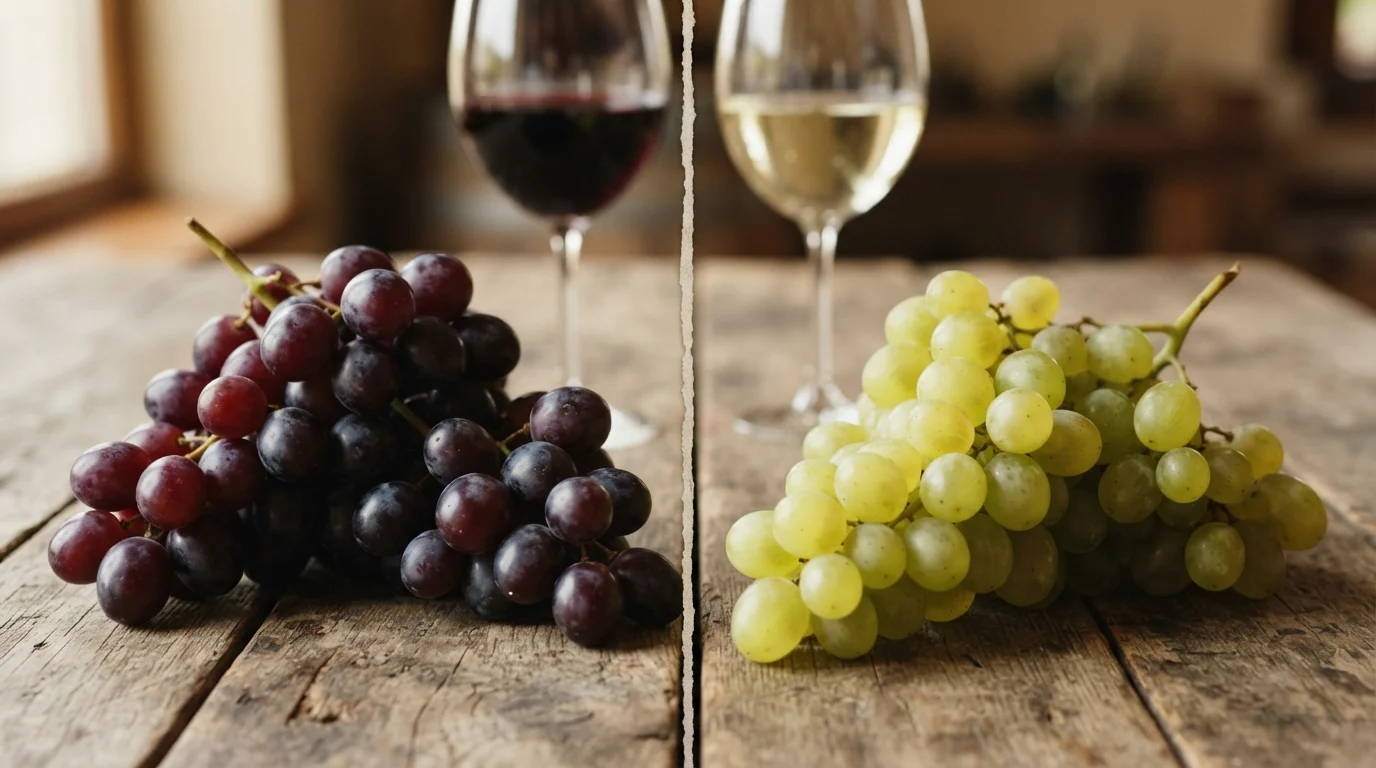
The biggest difference between red and white wine comes from how they are made, not just the color of the grapes.
Red wine is made using dark-colored grapes. During the winemaking process, the grape skins stay in contact with the juice. This is what gives red wine its deep color, along with a lot of its flavor and structure.
White wine, on the other hand, is usually made without the grape skins. Winemakers press the grapes and remove the skins early on. This is true even for some white wines made from red grapes. The result is a lighter color and a lighter taste.
This one small step in the winemaking process changes almost everything about the final drink. It affects the color, the taste, the texture, and even how long the wine can be stored.
How Are Red and White Wine Made?
Understanding the winemaking process can help explain why red and white wines taste so different.
Red wine production starts with crushing dark grapes. The skins, seeds, and juice are all fermented together. This mix is called “must.” As it ferments, the skins release color and a natural compound called tannin. Tannins are what give red wine that dry, slightly bitter feeling on your tongue.
White wine production usually starts by pressing the grapes first. The skins are removed before fermentation begins. This means white wine ferments using just the juice. Because there is little or no skin contact, white wine has fewer tannins and a lighter body.
Here is a simple breakdown of the process:
| Step | Red Wine | White Wine |
| Grape type | Usually dark grapes | Usually light grapes |
| Skin contact | Yes, during fermentation | No, skins removed early |
| Tannin level | Higher | Lower |
| Fermentation temperature | Warmer | Cooler |
| Aging | Often longer, sometimes in oak barrels | Often shorter, less oak |
This difference in process is the real reason red and white wines taste so different, even before we talk about flavor.
Taste Differences: Red Wine vs White Wine
Taste is where most people notice the biggest gap between red and white wine.
Red wine tends to have bold, rich flavors. You might taste notes of dark fruit, like cherry, blackberry, or plum. Many red wines also have a hint of spice, earth, or even chocolate, depending on how they were aged. Because of the tannins, red wine can feel a little dry in your mouth.
White wine tends to be lighter and brighter. Common flavors include green apple, citrus, pear, and sometimes tropical fruit like pineapple. White wine usually has higher acidity, which gives it that fresh, crisp feeling. It does not have the same dry, tannic texture that red wine has.
Temperature also changes the experience. Red wine is usually served at room temperature, which lets its deeper flavors come through. White wine is usually served chilled, which makes it feel even more refreshing.
Which Foods Pair Best with Red or White Wine?
Food pairing is one of the biggest reasons people ask about red or white wine in the first place. The right pairing can make a meal taste even better.
A simple rule many people follow is this: red wine with red meat, white wine with white meat or fish. This is not a strict law, but it is a helpful starting point.
| Wine Type | Best Food Pairings |
| Red Wine | Steak, burgers, red pasta sauce, lamb, hard cheese |
| White Wine | Fish, chicken, salads, light pasta, seafood, soft cheese |
The reason this pairing works has to do with the weight of the food and the weight of the wine. Heavier, richer foods need a wine that can stand up to them, like red wine. Lighter foods can get overwhelmed by a bold red, so a crisp white wine works better.
Of course, these are guidelines, not rules. Some people enjoy red wine with fish, or white wine with chicken. The most important thing is choosing what you enjoy.
Health Considerations: Is Red or White Wine Healthier?
This is a common question, and the honest answer is that both have some studied health effects, but neither should be seen as a health drink.
Red wine contains an antioxidant called resveratrol, which comes from grape skins. Some studies have linked resveratrol to heart health benefits, though researchers still debate how strong this effect really is in normal drinking amounts.
White wine has fewer of these skin-based antioxidants since the skins are removed early in the process. However, it is generally lower in calories and lighter on the body for many people.
The most important health advice, backed by health organizations, is moderation. That usually means up to one drink a day for women and up to two drinks a day for men, according to general health guidelines. If you have any health conditions, it’s smart to check with a doctor about alcohol in general.
Common Mistakes People Make with Red or White Wine

Even wine lovers make mistakes from time to time. Here are a few common ones to avoid.
One mistake is serving wine at the wrong temperature. Serving red wine too warm can make it taste flat, while serving white wine too cold can hide its flavor. A good rule of thumb is to serve red wine slightly below room temperature and white wine well chilled, but not freezing.
Another mistake is assuming price equals quality. A more expensive bottle is not always a better bottle. Many affordable wines taste fantastic and are perfect for everyday drinking.
People also often forget that wine glass shape matters. Red wine glasses usually have a wider bowl, which helps release the wine’s aroma. White wine glasses are often narrower, which helps keep the wine cooler for longer.
Lastly, some people think you must follow food pairing rules exactly. In reality, personal taste always comes first. If you enjoy a certain combination, there is nothing wrong with it.
Tips for Choosing Between Red or White Wine
If you are still not sure If to pick red or white wine, here are some simple tips to help.
Think about the season. Red wine often feels cozy and warming, which makes it a popular pick in fall and winter. White wine feels light and refreshing, so it’s often a favorite in spring and summer.
Think about the occasion. A quiet dinner with steak calls for red wine, while a light lunch with salad or seafood calls for white wine.
Think about your own taste. If you enjoy bold, rich flavors, start with a red like Cabernet Sauvignon or Merlot. If you enjoy light, crisp flavors, try a white like Sauvignon Blanc or Pinot Grigio.
Do not be afraid to experiment. The best way to learn what you like is by trying different types and paying attention to what you enjoy most.
FAQs About Red or White Wine
Is red wine sweeter than white wine?
Not always. Sweetness depends on the specific wine, not just the color. Some white wines, like Riesling, can be sweet, while some red wines, like dry Cabernet, are not sweet at all.
Does red wine have more alcohol than white wine?
Not necessarily. Alcohol content depends on the grape and winemaking style, not the color. Both red and white wines can range from about 11% to 15% alcohol.
Can white wine turn into red wine or vice versa?
No. The color comes from the grape skins used during fermentation. Once a wine is made, its color and style are set.
Which wine is better for beginners?
Many beginners start with white wine because it is lighter and easier to drink. However, this really depends on personal taste, and some beginners prefer bold reds.
Should red wine always be served warm?
Not warm, but slightly cooler than typical room temperature. Ideally, red wine is served around 60 to 65 degrees Fahrenheit.
Is it okay to mix red and white wine?
There is no rule against it, and some drinks, like sangria, blend wine with other ingredients. However, mixing two different wines is more about personal preference than tradition.
Conclusion
Choosing between red or white wine does not have to be complicated. Red wine offers bold, rich flavors that pair well with hearty meals, while white wine offers light, crisp flavors that pair well with lighter dishes.
Neither one is the “right” choice. It all depends on the food, the occasion, and most importantly, what you enjoy drinking.
The best way to figure out your favorite is to try a few different types. Pay attention to how each one tastes, how it feels with different foods, and how it fits your lifestyle. If you end up loving red, white, or both, understanding these basic differences will help you make better choices every time you shop for wine
Read More

Hi, I’m Iqra, a passionate writer and grammar enthusiast dedicated to making English grammar simple, clear, and easy to understand. Through my work on grammar books and educational content, I help students, writers, and English learners improve their vocabulary, sentence structure, punctuation, and everyday communication skills. My goal is to turn confusing grammar rules into practical, easy-to-follow lessons that readers can confidently use in real life. I believe learning grammar doesn’t have to be difficult—it can be simple, useful, and even enjoyable. Through helpful guides, examples, and carefully explained grammar tips, Iqra aims to make learning English more accessible for everyone.