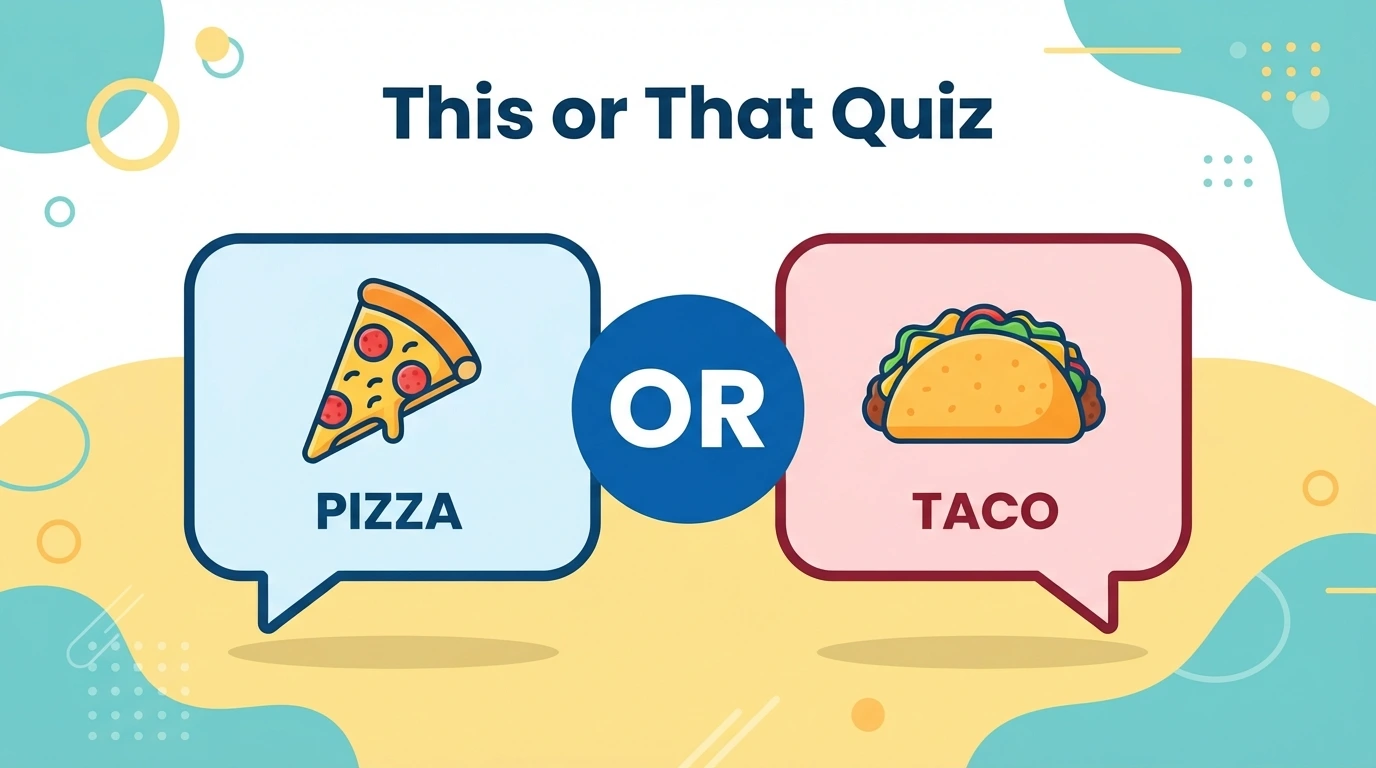
A this or that quiz is a simple game where players pick between two choices, like pizza or tacos, or beach or mountains. It works for parties, classrooms, first dates, and social media, because it needs no equipment and everyone can join in seconds.
In this guide, you will learn what the game is, how to play it well, and where to find great question ideas.
You have probably seen a this or that quiz pop up on Instagram Stories, in a Zoom icebreaker, or at a birthday party. It is popular because it is quick, it sparks conversation, and it tells you a lot about a person’s personality in just a few seconds. There is no studying involved, no wrong answers, and no pressure. You just pick a side and explain why if you feel like it.
By the end of this article, you will know exactly how to run a this or that quiz for any group, what kinds of questions work best, and how to avoid the few mistakes that make the game fall flat. Let’s get into it.
Quick Answer
A this or that quiz is a game where you present two options and ask players to choose one. There are no right or wrong answers.
The goal is to spark quick decisions, laughter, and conversation. It can be played out loud in a group, typed out in a chat, or posted as an interactive poll on social media.
What Is a This or That Quiz
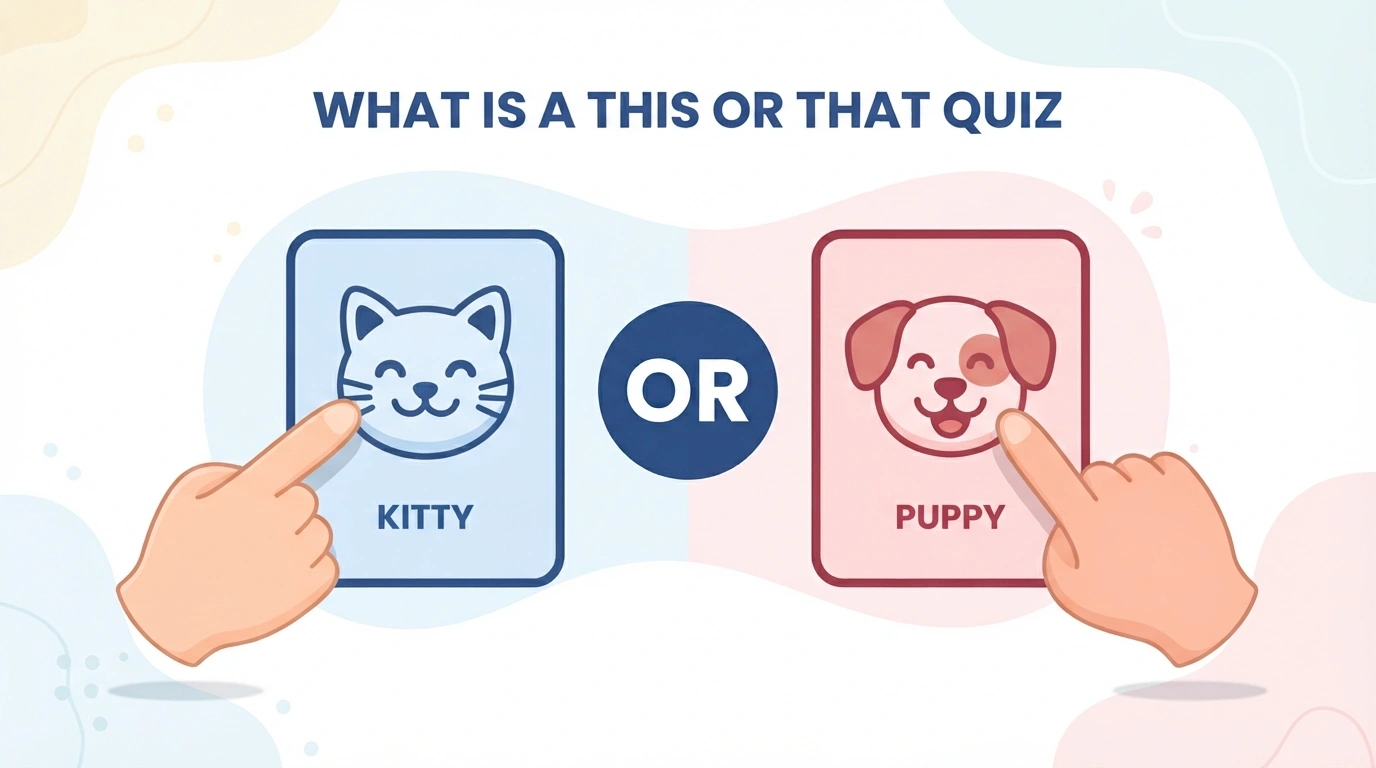
At its core, a this or that quiz is a forced-choice game. Someone reads out or shows two options, and each player has to pick one, usually within a few seconds. The categories can be anything: food, travel, movies, habits, hypothetical situations, or even silly made-up scenarios.
The beauty of this format is its flexibility. A parent can use it to get a shy child talking at dinner. A teacher can use it as a five-minute warm-up before a lesson. A brand can use it on social media to boost engagement, since polls almost always get more interaction than a plain caption. The rules never really change, only the questions do.
Because the choices are usually light and low-stakes, people relax quickly. Nobody feels judged for picking coffee over tea, and that low pressure is exactly what makes the game so easy to run with strangers, coworkers, or kids who just met each other.
How to Play a This or That Quiz
Playing this game takes almost no setup, which is part of why it works so well for last-minute plans. Here is a simple way to run it with any group size.
First, pick a theme or just keep it random. Themes work well for parties with a purpose, like a baby shower (bottle or pacifier) or a movie night (popcorn or candy). Random works great as a quick icebreaker where the goal is just to get people talking.
Second, decide how players will answer. In person, players can shout out their pick, hold up a card, or move to one side of the room. Online, you can use a poll feature, a group chat, or a simple show of hands on video calls. Some hosts like adding a short explanation after each pick, since the “why” is often more interesting than the answer itself.
Third, keep the pace fast. The energy of this game comes from quick decisions, not long debates. A good rule is to give players three to five seconds to answer before moving to the next question. If you want deeper conversation, you can slow down for a few standout questions and let people explain their reasoning.
Finally, mix up your categories as you go. Jumping between silly questions and more thoughtful ones keeps the group engaged and stops the game from feeling repetitive.
Real-Life Examples of This or That Questions
Seeing real examples makes it much easier to build your own list. Below is a table with sample questions across a few popular categories.
| Category | This or That Question |
| Food | Pizza or Tacos |
| Travel | Beach Vacation or Mountain Cabin |
| Lifestyle | Early Bird or Night Owl |
| Entertainment | Movie Night or Concert |
| Hypothetical | Read Minds or Fly |
| Weather | Rainy Day or Sunny Day |
| Season | Summer or Winter |
| Pets | Dogs or Cats |
Notice that none of these questions have a clear right answer. That is intentional. The best this or that quiz questions are ones where reasonable people land on both sides, because that split is what fuels the fun debate afterward.
You can also build questions around a specific theme, like these workplace-friendly examples: working from home or working in the office, morning meetings or afternoon meetings, email or instant message. These work well for team-building sessions because they reveal genuine preferences without feeling too personal.
Tips for Writing Great This or That Questions
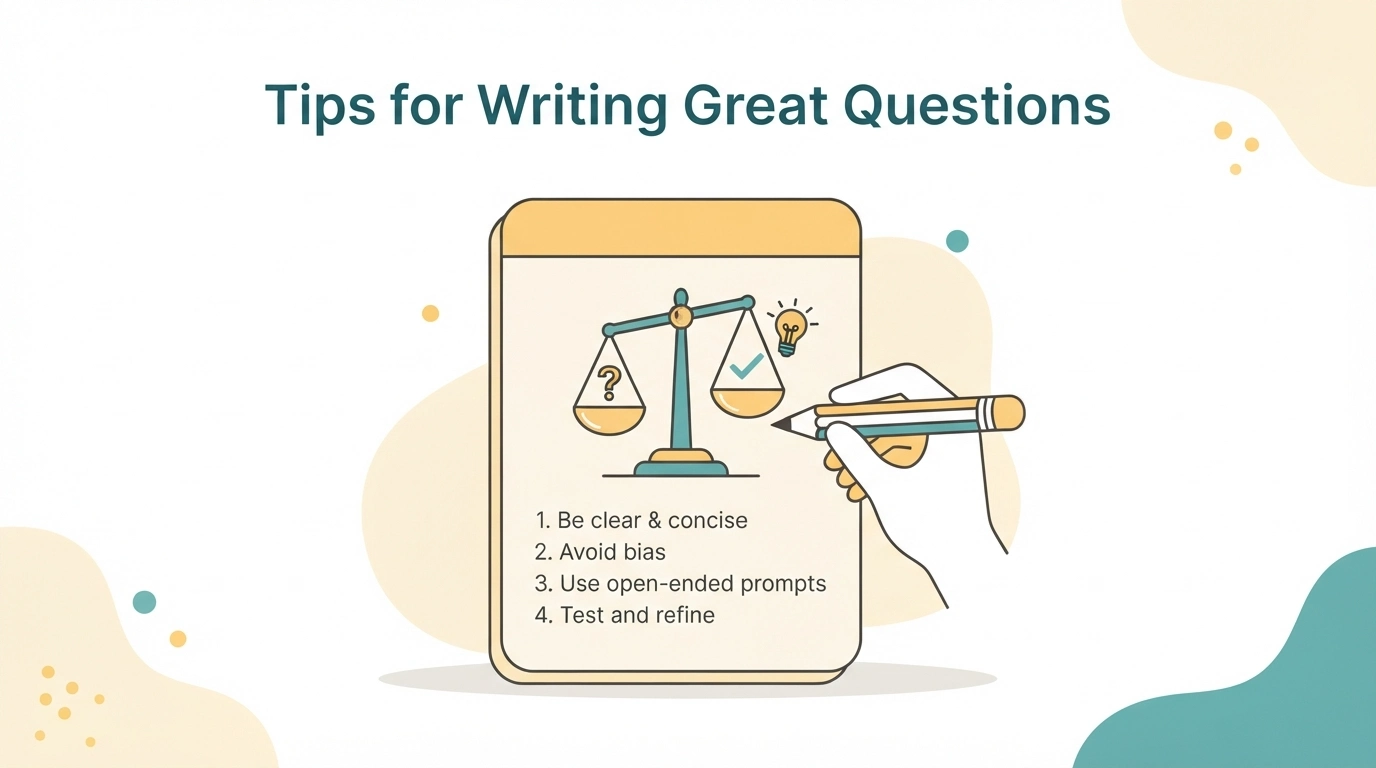
Not every pair of options makes a good question. A few simple habits will help you write questions that actually spark reactions instead of a flat, one-sided answer.
Keep both choices roughly equal in appeal. If one option is clearly better than the other, most people will pick the same thing, and the game loses its spark. “Free money or a papercut” is not a real dilemma. “Free money now or double that money next year” is much more interesting.
Make the choices specific rather than vague. “Sweet or salty” is fine, but “chocolate cake or salted pretzels” paints a clearer picture and gets a faster reaction. Specific images are easier for the brain to compare quickly.
Match the tone to your audience. A quiz for young kids should stick to simple, safe topics like cartoon characters or ice cream flavors. A quiz for adults at a party can lean into more playful or even slightly edgy hypothetical questions. A workplace quiz should stay professional and avoid anything too personal.
Rotate your categories so the game does not feel one-note. A strong round often mixes food, travel, entertainment, and a few hypothetical “would you rather” style questions, since variety keeps attention high from start to finish.
Where to Use a This or That Quiz
This game fits into far more settings than most people expect, which is part of why it has stayed popular for years. Here is a quick comparison of common settings and how the game usually gets adapted for each one.
| Setting | Best Format | Typical Goal |
| Classroom | Spoken or hand-raise | Warm-up or brain break |
| Office Team Meeting | Poll or chat message | Icebreaker before work |
| Birthday Party | Cards or shout-out | Group entertainment |
| Instagram or TikTok | Interactive poll sticker | Audience engagement |
| First Date | Casual conversation | Getting to know each other |
| Family Dinner | Spoken around the table | Connection and laughs |
Social media is worth a special mention here, since interactive polls tend to outperform plain posts for engagement. A short, punchy this or that question with a bright graphic is one of the easiest ways to get followers commenting and sharing their pick.
Common Mistakes to Avoid
Even a simple game can go wrong if a few small details get missed. One common mistake is making questions too one-sided, which kills the fun debate the game depends on. Another is choosing topics that are too personal or sensitive for the group, especially with people who do not know each other well yet.
Hosts sometimes also let the game drag on too long. Twenty to thirty questions is usually the sweet spot; beyond that, energy tends to drop. Finally, skipping variety is a quiet killer. A quiz that only asks about food for fifteen straight questions will feel repetitive, even if each individual question is decent.
Current Trends and Popularity

The this or that quiz format has stayed steady in popularity because it fits so naturally into short-form and interactive content. Instagram and TikTok both offer built-in poll stickers that are essentially a digital version of this game, which has helped keep it visible to new generations of users. Brands, teachers, and event planners all lean on it because it requires almost no cost or preparation while still reliably getting people involved.
Its staying power really comes down to simplicity. As long as people enjoy quick decisions and a little friendly disagreement, a this or that quiz will keep working, whether it is played at a kitchen table or scrolled through on a phone screen.
FAQs
What is a this or that quiz?
It is a game where players choose between two options, like tea or coffee, with no right or wrong answer. The point is quick decisions and fun conversation.
How many questions should a this or that quiz have?
Most rounds work best with twenty to thirty questions. This keeps the pace lively without letting the game drag on too long.
Can a this or that quiz be played online?
Yes. It works well as a poll on social media, a message thread in a group chat, or a quick verbal game on a video call.
Is a this or that quiz good for kids?
Yes, as long as the questions match their age. Simple, safe topics like favorite snacks, cartoons, or games work best for younger players.
What makes a good this or that question?
A good question offers two options that are roughly equal in appeal, so people genuinely have to think before answering.
Where can I find this or that quiz question ideas?
You can create your own by picking a theme, such as food, travel, or hypothetical scenarios, and pairing two similarly appealing choices together.
Conclusion
A this or that quiz is one of the easiest games to set up and one of the most reliable ways to get any group talking. Because it only asks players to choose between two options, it removes the pressure of a “correct” answer and replaces it with quick decisions and honest reactions. Whether you are running it at a party, in a classroom, on a video call, or through a social media poll, the format barely needs any preparation to work well.
The real secret to a great round is balance: choose options that are equally appealing, keep the pace fast, and mix up your categories so the game never feels repetitive.
Start with a short list of ten or twenty questions, try it out with your group, and adjust the tone based on how people react. Once you see how quickly it gets people laughing and debating, you will understand why the this or that quiz has remained such a popular game.
Read More

Fazal Abbas
Fazal Abbas is a passionate English grammar writer with over 2 years of experience creating clear, helpful, and easy-to-understand grammar content. He specializes in confusing words, common grammar mistakes, word usage, sentence structure, and practical English tips.
With a simple teaching style, Fazal explains difficult grammar topics in easy English that students, writers, and everyday learners can understand. His goal is to make English grammar less confusing and more useful in real-life communication.
Through GrammarBook, Fazal shares practical examples, clear explanations, and useful tips to help readers improve their English with confidence. He believes that learning grammar should be simple, friendly, and enjoyable.