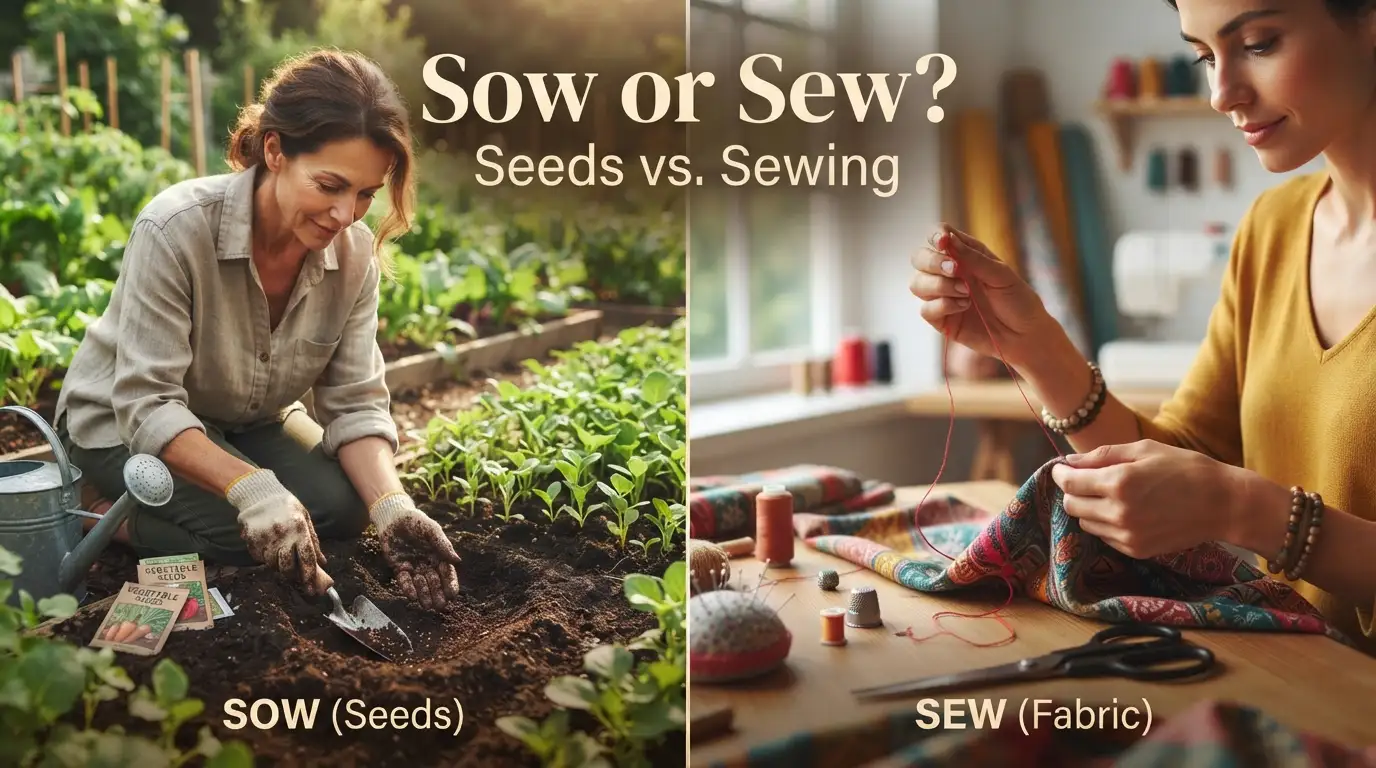
If you are confused about sow or sew, you are not alone. These two words sound similar in some situations, but they have completely different meanings.
Sow means to plant seeds in soil, while sew means to join fabric with a needle and thread. For example, you can sow seeds in a garden, but you sew clothes with a needle.
Learning the difference between these words will help you avoid common spelling mistakes and use each word correctly in everyday English.
Quick Answer: Sow or Sew?
The correct word depends on what you want to say.
Sow is a verb that means to plant seeds in the ground. For example, “We sow seeds in the spring.”
Sew is a verb that means to join or repair fabric using a needle and thread. For example, “She knows how to sew a dress.”
The words can sound similar, especially when sow is pronounced like “so,” but their meanings are completely different.
| Word | Meaning | Example |
| sow | To plant seeds | Farmers sow seeds in the field. |
| sew | To join fabric with a needle and thread | She can sew a button onto a shirt. |
A simple way to remember them is:
Sow = seeds
Sew = stitches
What Does Sow Mean?
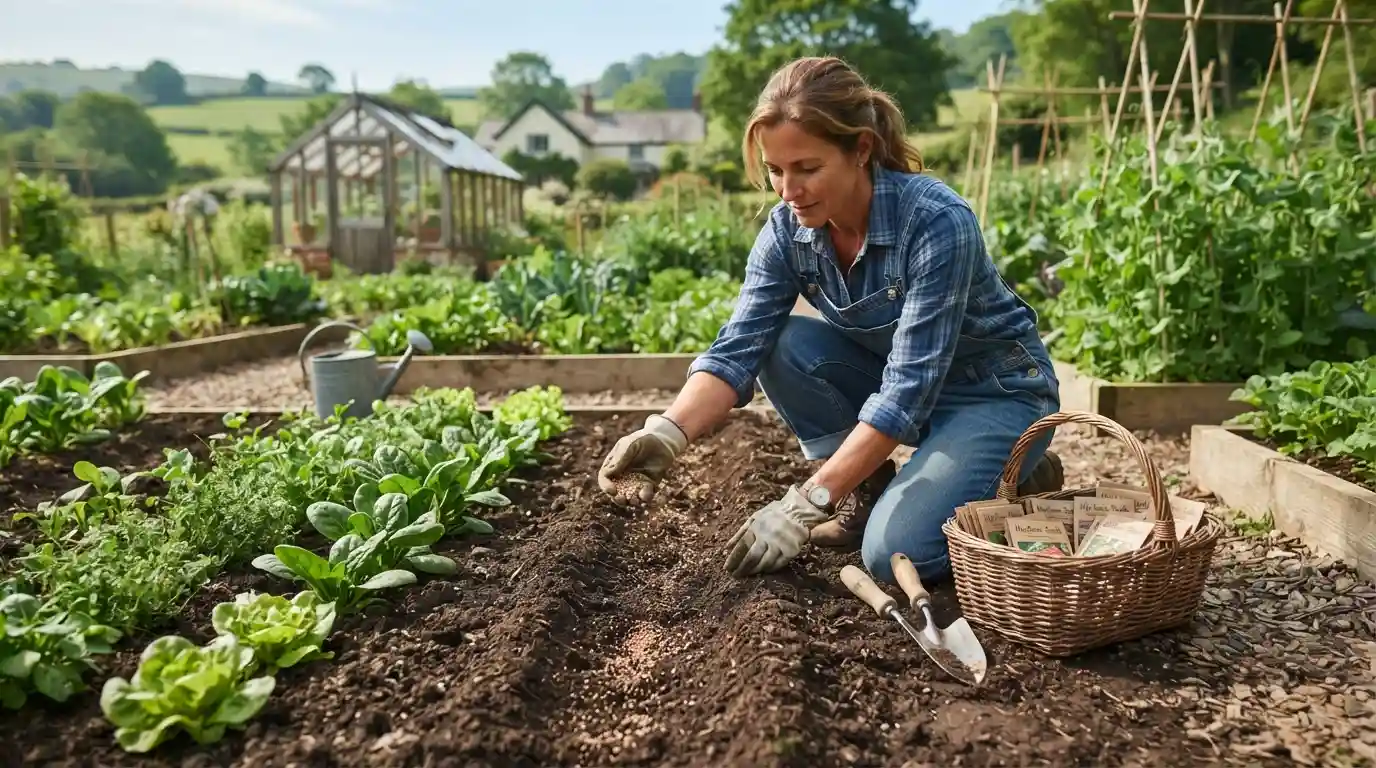
Sow is a verb that means to plant seeds in soil so they can grow.
Farmers and gardeners sow seeds when they plant crops, flowers, vegetables, or other plants.
For example:
“We sow carrot seeds in the garden.”
“The farmer sowed wheat in the field.”
“She plans to sow flower seeds this weekend.”
The word can also be used in a more figurative way. When someone says that a person sows something such as an idea, doubt, fear, or trouble, it means that person is causing or spreading it.
For example:
“His comments sowed doubt among the team members.”
Here, nobody is planting seeds in soil. The word is being used figuratively.
However, the basic meaning is still connected to planting. Just as a farmer puts seeds into the ground, someone can metaphorically “plant” an idea or feeling in people’s minds.
The noun sowing refers to the act or process of planting seeds.
“Sowing seeds at the right time can help a garden grow.”
What Does Sew Mean?
Sew is a verb that means to join pieces of fabric or attach something to fabric using a needle and thread.
People sew clothing, blankets, curtains, bags, buttons, and many other fabric items.
For example:
“My grandmother taught me how to sew.”
“I need to sew a button onto my shirt.”
“She sewed the torn part of the dress.”
Sewing can be done by hand or with a sewing machine.
The word sew is also used in different grammatical forms.
The basic verb is:
sew
The past tense is:
sewed
The past participle can be:
sewn or sewed, depending on the construction.
For example:
“She sewed the dress yesterday.”
“She has sewn three dresses this month.”
The noun sewing refers to the activity or skill of working with a needle and thread.
Sow vs. Sew: The Main Difference
The easiest way to understand sow or sew is to focus on their meanings.
Sow is connected to seeds and planting.
Sew is connected to fabric and stitching.
They are completely different actions.
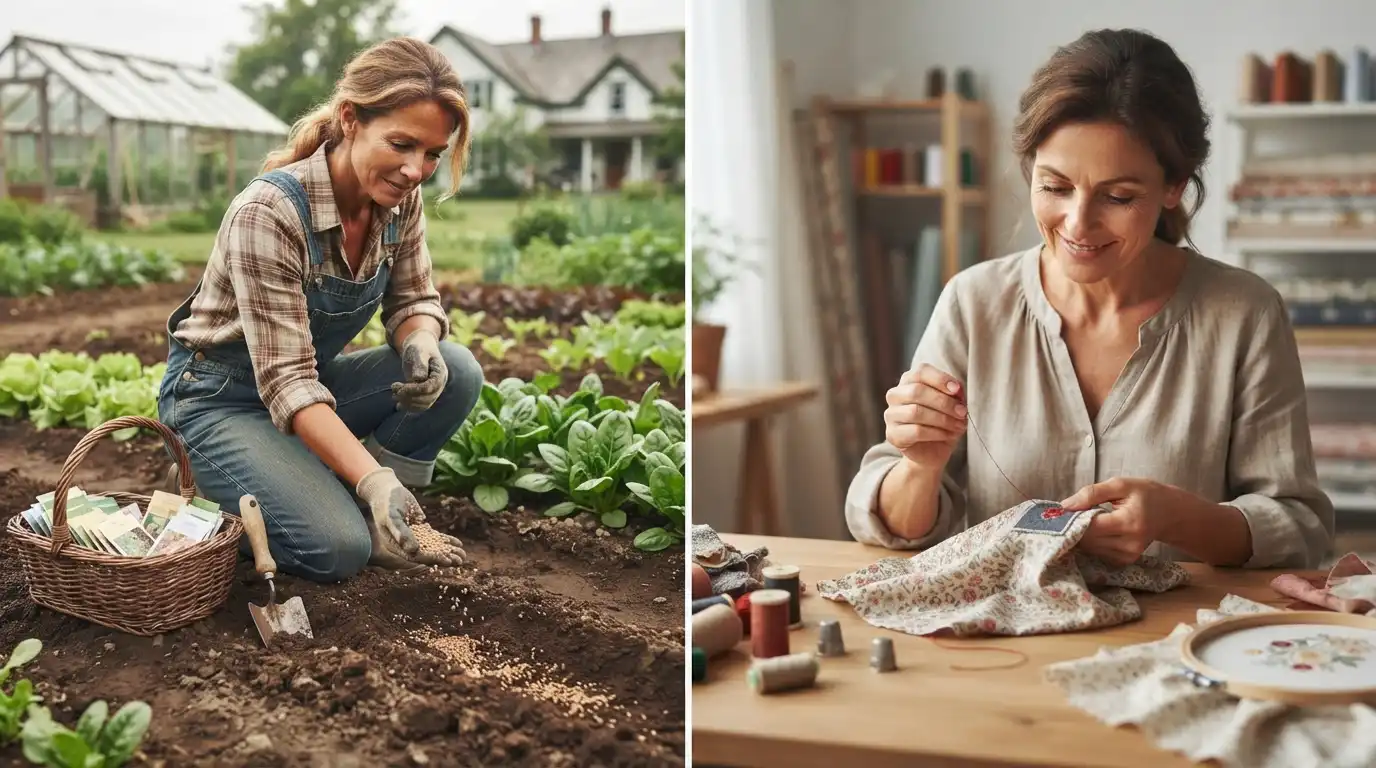
Imagine a gardener holding a packet of seeds. The gardener may sow seeds in the soil.
Now imagine a person holding a needle and thread. That person may sew a piece of fabric.
| Word | Think about | Common objects |
| sow | Planting | seeds, soil, crops, garden |
| sew | Stitching | needle, thread, fabric, clothes |
This simple connection can help you choose the right word quickly.
Sow seeds.
Sew clothes.
If you remember those two phrases, you will avoid many common mistakes.
Grammar and Correct Usage of Sow
Sow is an irregular verb with more than one pronunciation depending on its meaning.
When sow means “to plant seeds,” it is commonly pronounced like “so.”
For example:
“Farmers sow seeds in the spring.”
The past tense is usually sowed.
“The farmer sowed the seeds last week.”
The past participle can be sown or, in some contexts, sowed.
For example:
“The seeds have been sown.”
The form sown is especially common when talking about seeds or when using a figurative expression.
You can also use sow with an object.
“They sow corn seeds in the field.”
“We sowed flower seeds in the garden.”
The word can also appear in figurative expressions.
“The rumor sowed fear among the villagers.”
Here, “sowed” means that the rumor caused fear to spread.
Grammar and Correct Usage of Sew

Sew is also a verb, but it describes working with fabric, thread, and a needle.
For example:
“I sew my own clothes.”
“She sewed a pocket onto the shirt.”
“They are sewing a new curtain.”
The past tense is sewed.
“She sewed the torn sleeve.”
The past participle is often sewn.
“The dress was sewn by hand.”
The word can also be used in different forms:
sew
sews
sewed
sewing
sewn
The pronunciation of sew is important because the spelling can be confusing. It is pronounced like “so,” not like a word that rhymes with “few.”
For example:
“I sew clothes.”
The verb sew and the word so sound alike in this sentence, but they have completely different meanings and spellings.
Why Do Sow and Sew Sound Similar?
English contains many words that sound the same or almost the same but have different spellings and meanings.
Sow and sew are a good example.
When sow means “plant seeds,” it is pronounced like “so.”
Sew is also pronounced like “so.”
This means they are homophones when used with these meanings.
A homophone is a word that sounds the same as another word but has a different meaning and spelling.
For example:
“We sow seeds.”
“We sew clothes.”
The pronunciation is similar, but the action is completely different.
This is why context is important. When you hear the word, you may not know which spelling is intended. When you see it written, the surrounding words usually make the meaning clear.
Sow, Sew, and So
There is another word that sounds like both sow and sew: so.
These three words have different meanings.
Sow = plant seeds.
Sew = join fabric with a needle and thread.
So = used to show a result, degree, or connection.
For example:
“We sow seeds in the garden.”
“She can sew a dress.”
“The weather was so cold that we stayed inside.”
| Word | Pronunciation | Meaning |
| sow | like “so” | Plant seeds |
| sew | like “so” | Join fabric with thread |
| so | like “so” | Shows result, degree, or connection |
This is one reason spelling can be challenging for English learners. Several words can sound identical while having very different meanings.
Common Mistakes With Sow and Sew
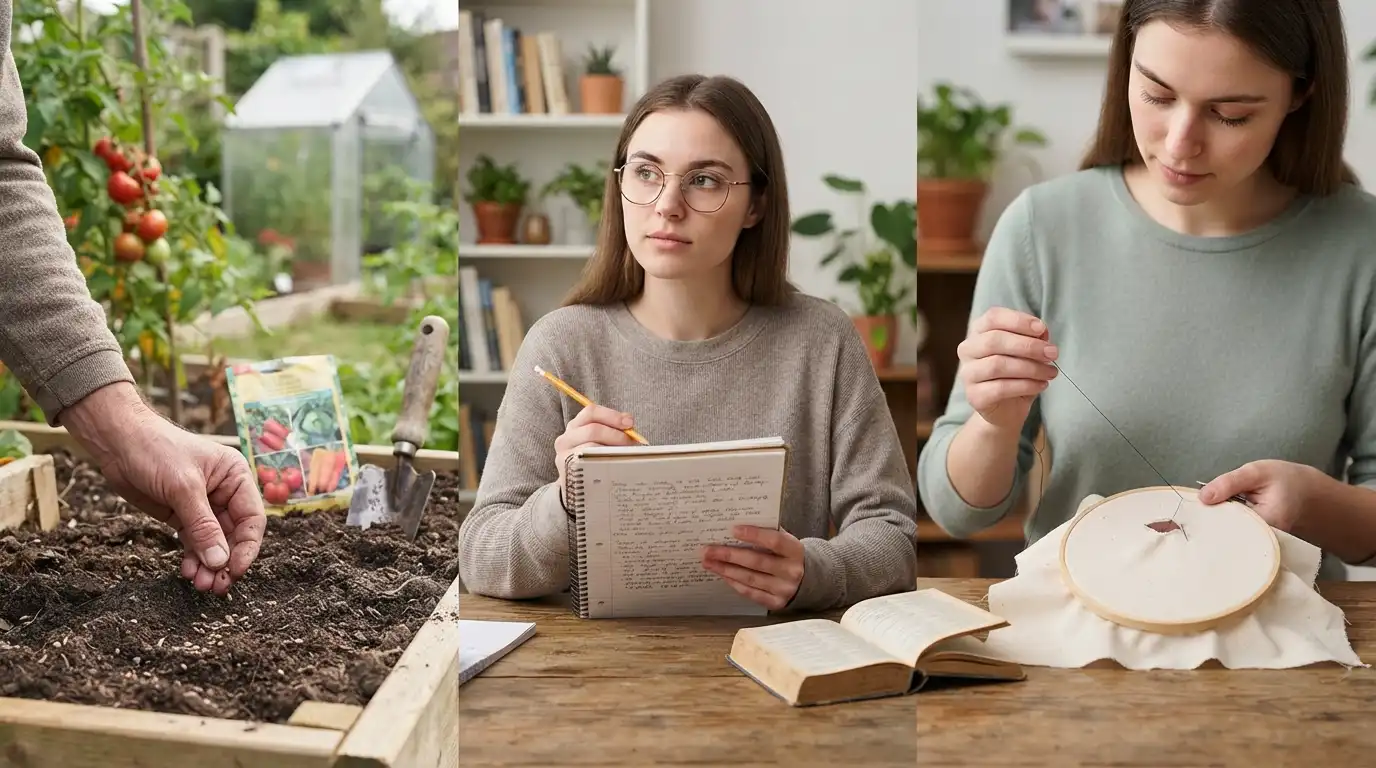
One of the most common mistakes is using sew when you mean sow.
Incorrect: “The farmer will sew the seeds.”
Correct: “The farmer will sow the seeds.”
A farmer does not sew seeds. Seeds are planted, so the correct verb is sow.
Another common mistake is using sow when you mean sew.
Incorrect: “She will sow the dress.”
Correct: “She will sew the dress.”
A dress is made or repaired with a needle and thread, so the correct verb is sew.
Another mistake is confusing both words with so.
Incorrect: “I so a button onto my shirt.”
Correct: “I sew a button onto my shirt.”
The spelling so is not used for sewing.
| Incorrect | Correct | Why? |
| sew seeds | sow seeds | Seeds are planted. |
| sow a dress | sew a dress | Fabric is stitched. |
| so a button | sew a button | Buttons can be attached with thread. |
| sow clothes | sew clothes | Clothes are made or repaired by sewing. |
Real-Life Examples of Sow
Here are some natural examples of sow:
“Farmers sow wheat seeds in large fields.”
“We sowed tomato seeds in the garden.”
“She wants to sow wildflower seeds this spring.”
“The gardener sowed the seeds in neat rows.”
“The rain came soon after they sowed the seeds.”
The word can also be used figuratively:
“The false story sowed fear in the community.”
“His actions sowed doubt among his friends.”
In each example, the meaning comes from the context.
Real-Life Examples of Sew
Here are some natural examples of sew:
“My mother taught me how to sew.”
“She can sew a beautiful dress.”
“I need to sew this button back onto my shirt.”
“He learned to sew by watching online lessons.”
“The tailor will sew the loose seam.”
“She sewed the pieces of fabric together.”
You can also use sewing as a noun:
“Sewing is a useful skill.”
“She enjoys sewing in her free time.”
These examples all relate to fabric, thread, needles, clothing, or stitching.
Sow or Sew in Different Sentences
Looking at the two words side by side can make the difference easier to remember.
Sow:
“The farmer will sow the seeds tomorrow.”
Sew:
“She will sew the buttons onto the shirt tomorrow.”
Sow:
“We sowed lettuce seeds in the garden.”
Sew:
“We sewed the torn fabric together.”
Sow:
“The farmer has sown the seeds.”
Sew:
“The dress has been sewn by hand.”
Notice how the surrounding nouns help you identify the correct word.
Words such as seeds, crops, soil, garden, and fields usually point toward sow.
Words such as needle, thread, fabric, dress, shirt, and button usually point toward sew.
Sow and Sew in Figurative Language

Both words can appear beyond their literal meanings.
Sow is especially common in figurative expressions.
“The rumor sowed doubt about the plan.”
The phrase is based on the idea of planting seeds. Just as seeds can grow after being placed in soil, an idea or feeling can spread after it is introduced.
Sew can also appear in figurative or idiomatic expressions, although its main use remains literal.
For example, the phrase “sew up” can have meanings beyond stitching.
“The team sewed up the victory.”
In informal English, this means the team secured the result. The expression is figurative and does not mean physically sewing something.
How to Remember Sow or Sew
A simple memory trick can make these words easy.
Think:
Sow = Soil
Both begin with S.
When you sow, you put seeds into soil.
Then think:
Sew = Stitch
Both are connected with sewing and stitching.
You can also remember these two short phrases:
Sow seeds.
Sew clothes.
If you remember these phrases, you can usually choose the correct word.
Another useful method is to ask yourself a question.
Am I talking about planting?
If yes, use sow.
Am I talking about fabric or stitching?
If yes, use sew.
For example:
“I need to ___ these seeds.”
You are planting seeds, so the answer is sow.
“I need to ___ this shirt.”
You are working with fabric, so the answer is sew.
Tips for Using Sow and Sew Correctly
The best way to avoid confusion is to connect each word with its meaning instead of trying to remember the spelling alone.
Use sow when your sentence involves planting.
Common words that can appear with sow include:
seeds
soil
garden
farm
crops
flowers
wheat
Use sew when your sentence involves stitching.
Common words that can appear with sew include:
needle
thread
fabric
clothes
dress
shirt
button
seam
A quick context check can often solve the problem.
| If you see… | Think… | Use… |
| seeds | planting | sow |
| soil | planting | sow |
| crops | planting | sow |
| needle | stitching | sew |
| thread | stitching | sew |
| fabric | stitching | sew |
| clothes | stitching | sew |
Current Usage of Sow and Sew
Both sow and sew are standard English words and remain useful in modern writing and conversation.
Sow is common in gardening, farming, agriculture, and figurative language.
For example, gardening instructions may tell readers when to sow seeds.
Sew is common when discussing clothing, crafts, tailoring, repairs, and textile work.
For example, someone may say:
“I learned to sew during a sewing class.”
Although the words are not equally common in every situation, both are important vocabulary words.
The spelling difference becomes especially important in writing because their pronunciations can make them easy to confuse.
If you are writing about gardening, farming, or planting, check whether sow is the word you need.
If you are writing about clothes, fabric, needles, or thread, sew is usually the appropriate word.
FAQs About Sow or Sew
What is the difference between sow and sew?
Sow means to plant seeds in soil, while sew means to join or repair fabric with a needle and thread. For example, farmers sow seeds, while people sew clothes.
Are sow and sew pronounced the same?
When sow means “to plant seeds,” it is pronounced like “so.” Sew is also pronounced like “so.” Therefore, they are homophones in these meanings, even though their spellings and meanings are different.
Is it sow seeds or sew seeds?
The correct phrase is sow seeds. You sow seeds because sowing means planting them in soil. Sew is used for stitching fabric with a needle and thread.
Is it sew clothes or sow clothes?
The correct phrase is sew clothes. Sewing means joining or working with fabric using a needle and thread. You do not “sow” clothes.
What is the past tense of sow?
The common past tense of sow is sowed. For example, “The farmer sowed the seeds last spring.” The past participle sown is also common, especially in phrases such as “The seeds have been sown.”
What is the past tense of sew?
The simple past tense of sew is sewed. For example, “She sewed the button onto her shirt.” The past participle sewn is also commonly used, such as “The dress was sewn by hand.”
Conclusion
When choosing between sow or sew, look at the action in your sentence. Sow means to plant seeds, while sew means to join or repair fabric with a needle and thread. Although these words sound the same when they have these meanings, their spellings and uses are completely different.
Remember the simple connection: sow = seeds and sew = stitches. You can sow seeds in a garden, but you sew clothes with a needle and thread.
The words can also appear in different grammatical forms, such as sowed, sown, sewed, sewing, and sewn. Context will usually tell you which word is correct.
If you are unsure, ask yourself whether you are talking about planting or stitching. That quick check can help you choose the right spelling every time.

Hi, I’m Iqra, a passionate writer and grammar enthusiast dedicated to making English grammar simple, clear, and easy to understand. Through my work on grammar books and educational content, I help students, writers, and English learners improve their vocabulary, sentence structure, punctuation, and everyday communication skills. My goal is to turn confusing grammar rules into practical, easy-to-follow lessons that readers can confidently use in real life. I believe learning grammar doesn’t have to be difficult—it can be simple, useful, and even enjoyable. Through helpful guides, examples, and carefully explained grammar tips, Iqra aims to make learning English more accessible for everyone.